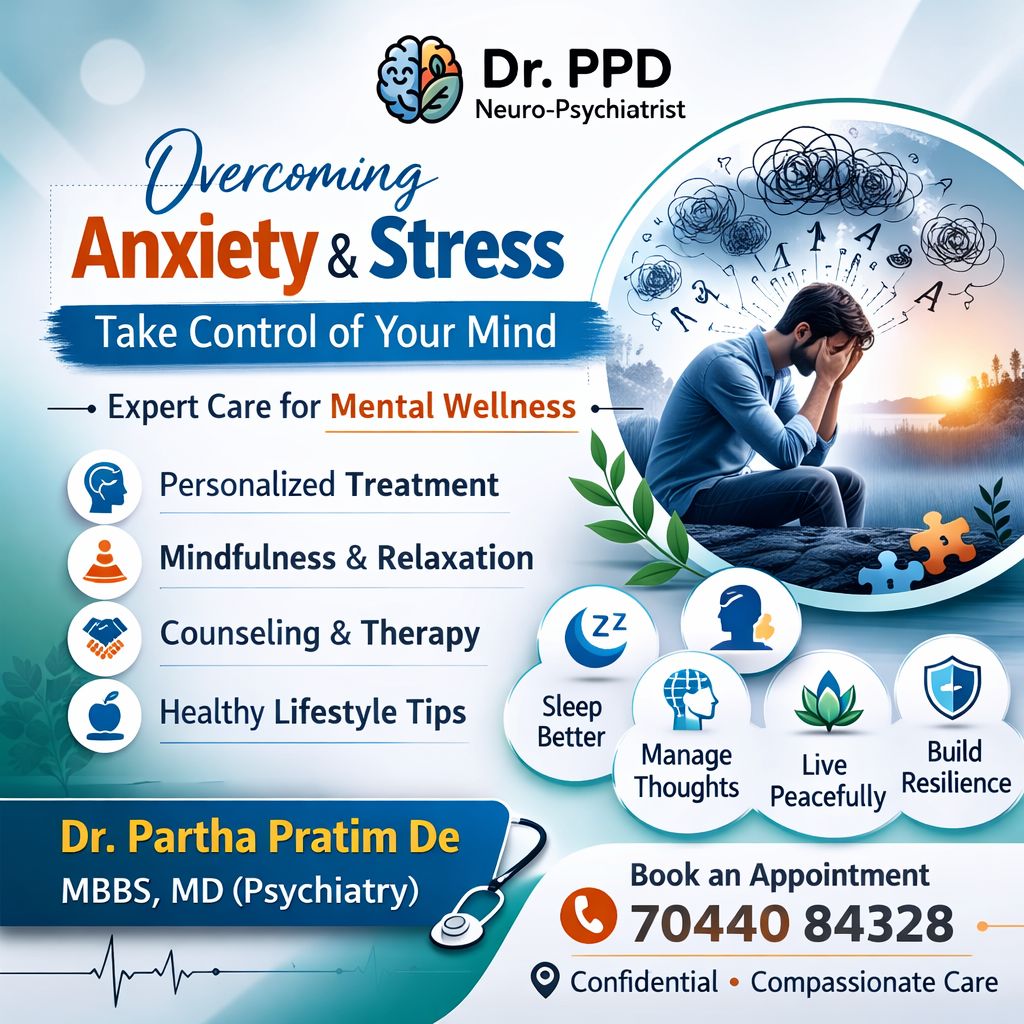
Understanding Panic Attacks and Anxiety Disorders
People with anxiety problems often experience panic attacks that disrupt their daily lifestyle.
A panic attack is usually recognized as a sudden feeling of intense discomfort or a sense of losing control,
even when there is no clear trigger. These attacks may include physical symptoms such as trembling,
tingling sensations, rapid heartbeat, or chest discomfort.
One of the most distressing aspects of panic attacks is that they can occur anytime and anywhere — even during sleep.
Depending on an individual’s health condition and lifestyle, panic attacks may occur several times a day or only a few times a year.
Basic Symptoms of Anxiety Attacks
- Sudden or repeated episodes of intense fear or anxiety
- A feeling of losing control
- Fear of death during an attack
- Constant worry about when the next attack will occur
- Avoiding places where previous panic attacks happened
Physical Symptoms During a Panic Attack
- Rapid heart rate
- Chills
- Trembling
- Breathing difficulty
- Excessive sweating
- Numbness in hands
- Dizziness
- Chest pain
- Stomach pain or nausea
A panic attack may last from a few minutes to several hours, depending on its severity.
Although the physical symptoms gradually subside, the fear of experiencing another attack
often leads to ongoing anxiety.
What Causes Panic Disorder?
Researchers suggest that certain areas of the brain and biological processes play a major role
in triggering fear and anxiety. Panic attacks are often described as “false alarms,”
where the body’s fight-or-flight response becomes overly sensitive or overactive.
For example, someone experiencing rapid heartbeat and sweating during a panic attack
may mistakenly believe they are having a heart attack. The unpredictable nature of these
episodes is a central feature of panic disorder.
How Is Panic Disorder Diagnosed?
To diagnose panic disorder, a person must experience unexpected or recurrent panic attacks.
A qualified psychiatrist will evaluate the symptoms, duration, frequency, and the overall
impact on daily life.
Based on the assessment, treatment may include therapy, medication, lifestyle modification,
diet changes, exercise routines, and stress management techniques to reduce the frequency
and severity of attacks.
Looking for the Best Psychiatrist in Barasat or Kolkata?
If you are experiencing panic attacks, anxiety, or stress-related symptoms,
professional psychiatric care can help you regain control of your life.
Get expert consultation and personalized treatment plans from an experienced
psychiatrist in Barasat and Kolkata.
Early diagnosis and proper treatment can significantly improve your mental well-being
and prevent frequent panic episodes.