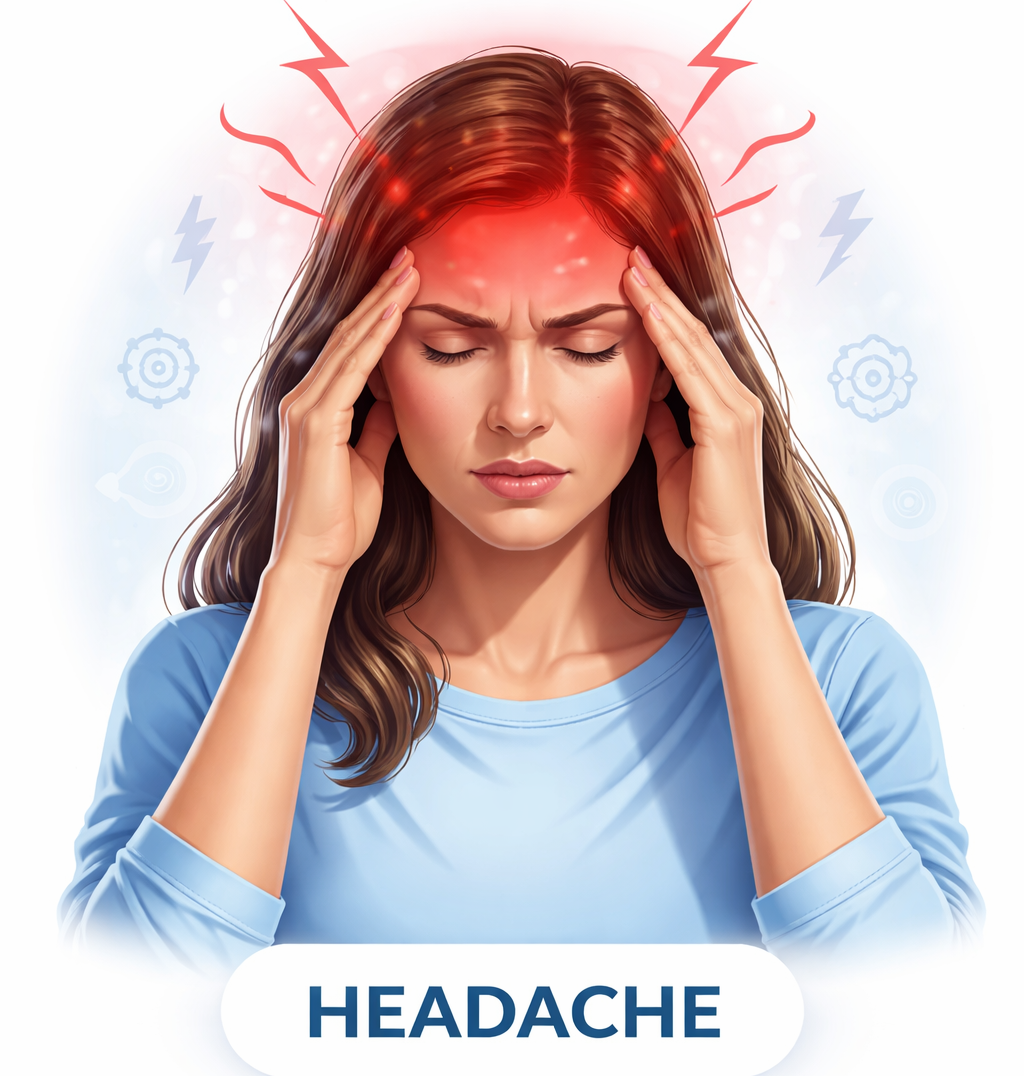
Headache
Headache is one of the most common neurological complaints, but not all headaches are the same. Some are related to stress, while others may be migraine or cluster headaches. Frequent or severe headaches can affect work, sleep, and daily life. Proper evaluation helps identify the exact cause and triggers. With the right treatment and lifestyle guidance, most headaches can be effectively controlled.
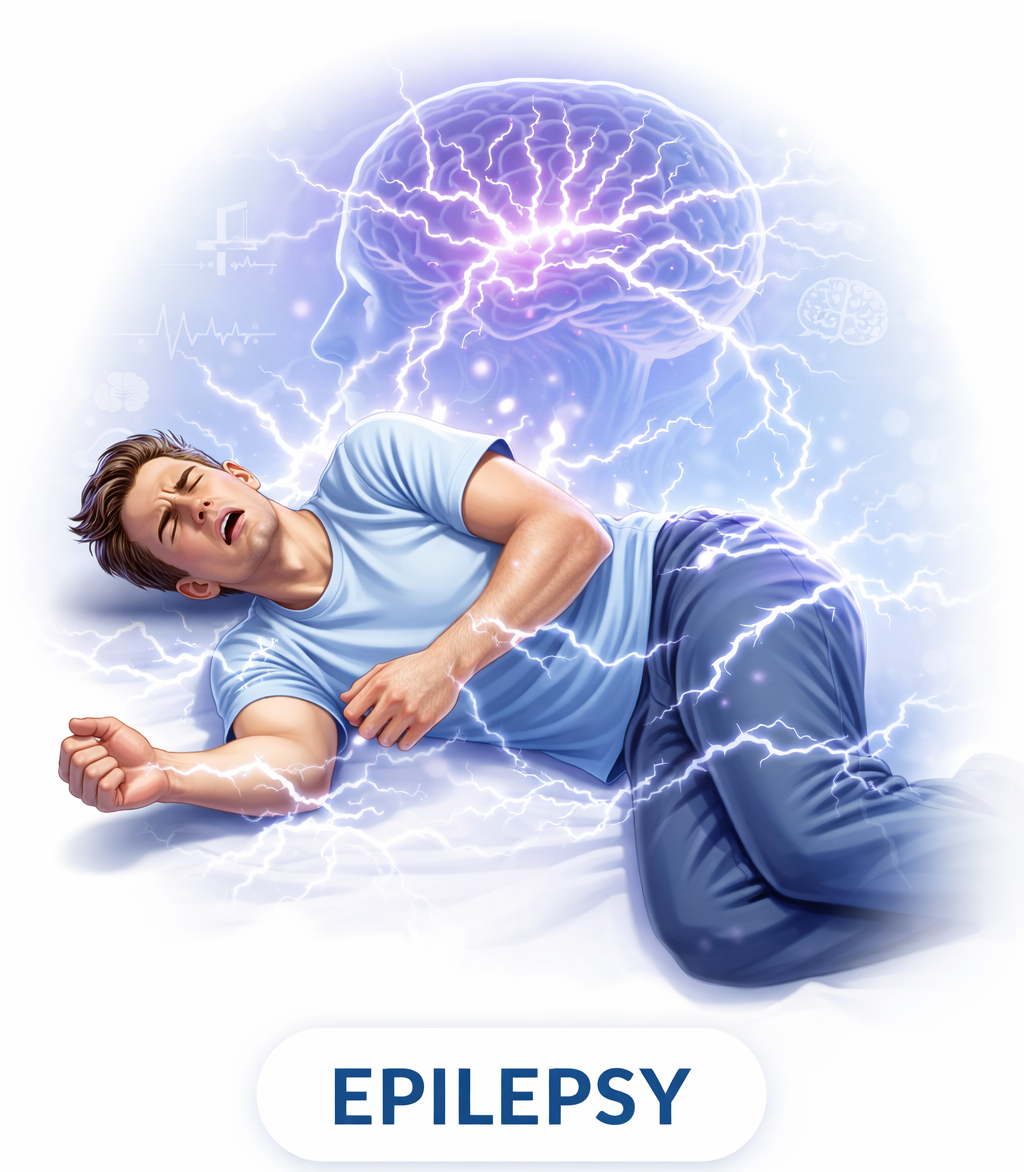
Epilepsy
A person with epilepsy has recurrent seizures as a result of aberrant brain electrical activity. Seizures can manifest in a variety of ways, such as full-body jerks or short periods of intense staring. Additional bouts can be avoided with early identification and consistent medication. Many patients have normal, active lives when they are properly managed. For long-term stability, routine follow-up is essential.
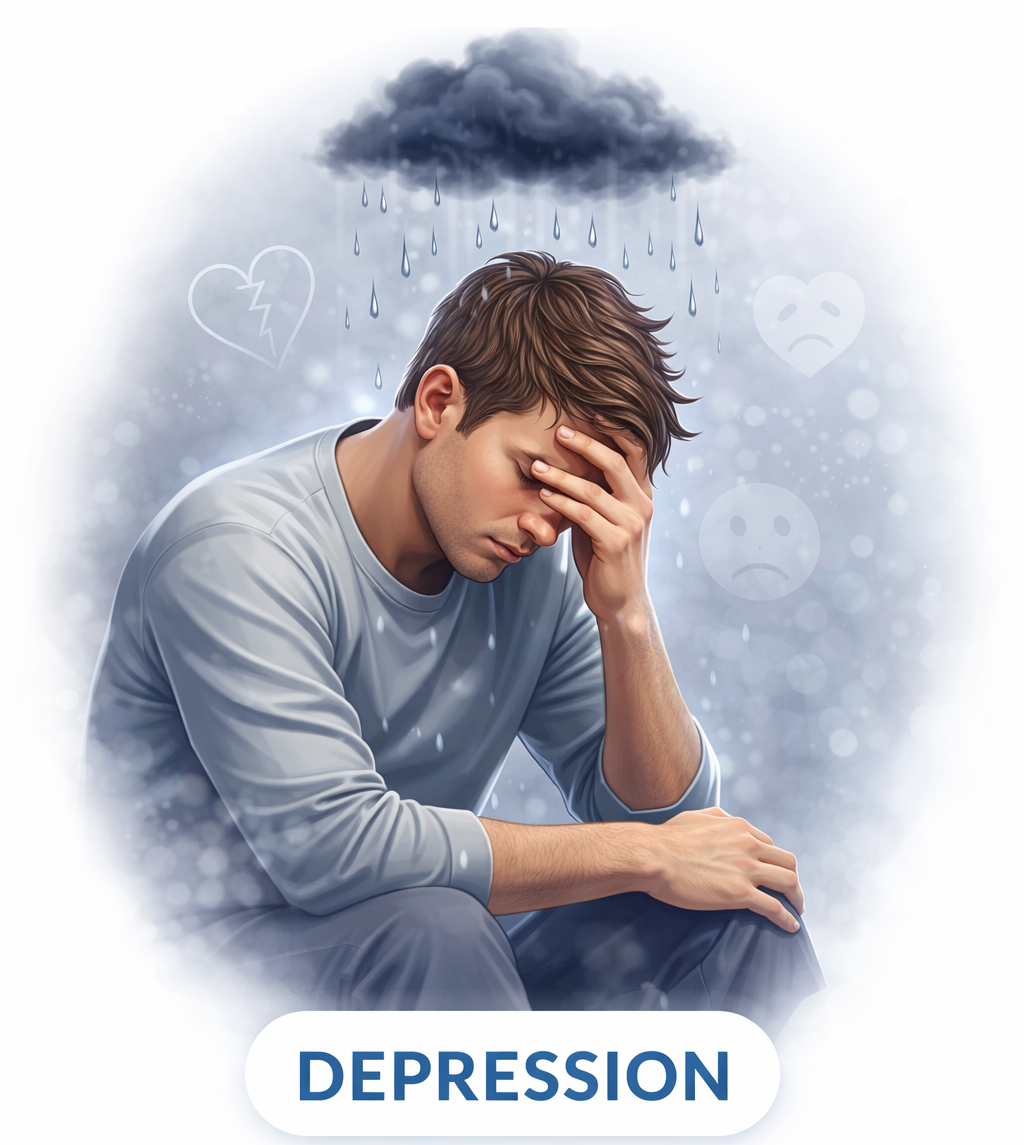
Depression
Depression is a complex mood disorder affecting emotional, cognitive, and physical well-being. It may present with persistent low mood, loss of interest, sleep disturbance, and reduced motivation. Early recognition prevents progression and complications. A structured treatment approach combining medication and psychotherapy offers significant recovery. Compassionate care ensures long-term emotional resilience.
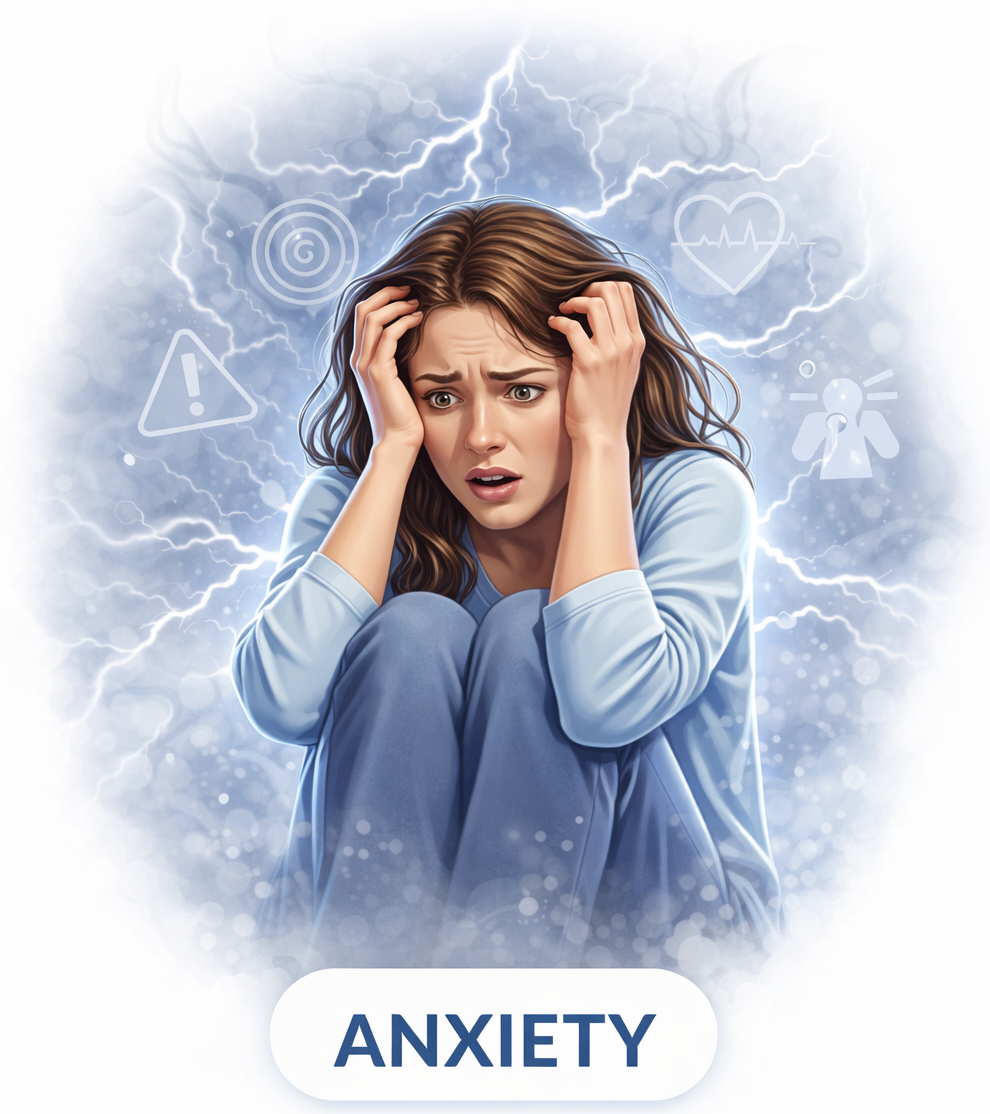
Anxiety Disorder
Anxiety disorders involve excessive worry, fear, or panic that interferes with daily functioning. Symptoms may include restlessness, palpitations, sleep disturbances, and concentration difficulties. A thorough psychological assessment helps identify specific anxiety patterns. Evidence-based treatment, including therapy and medication when required, provides lasting relief. With proper care, patients regain confidence and stability.
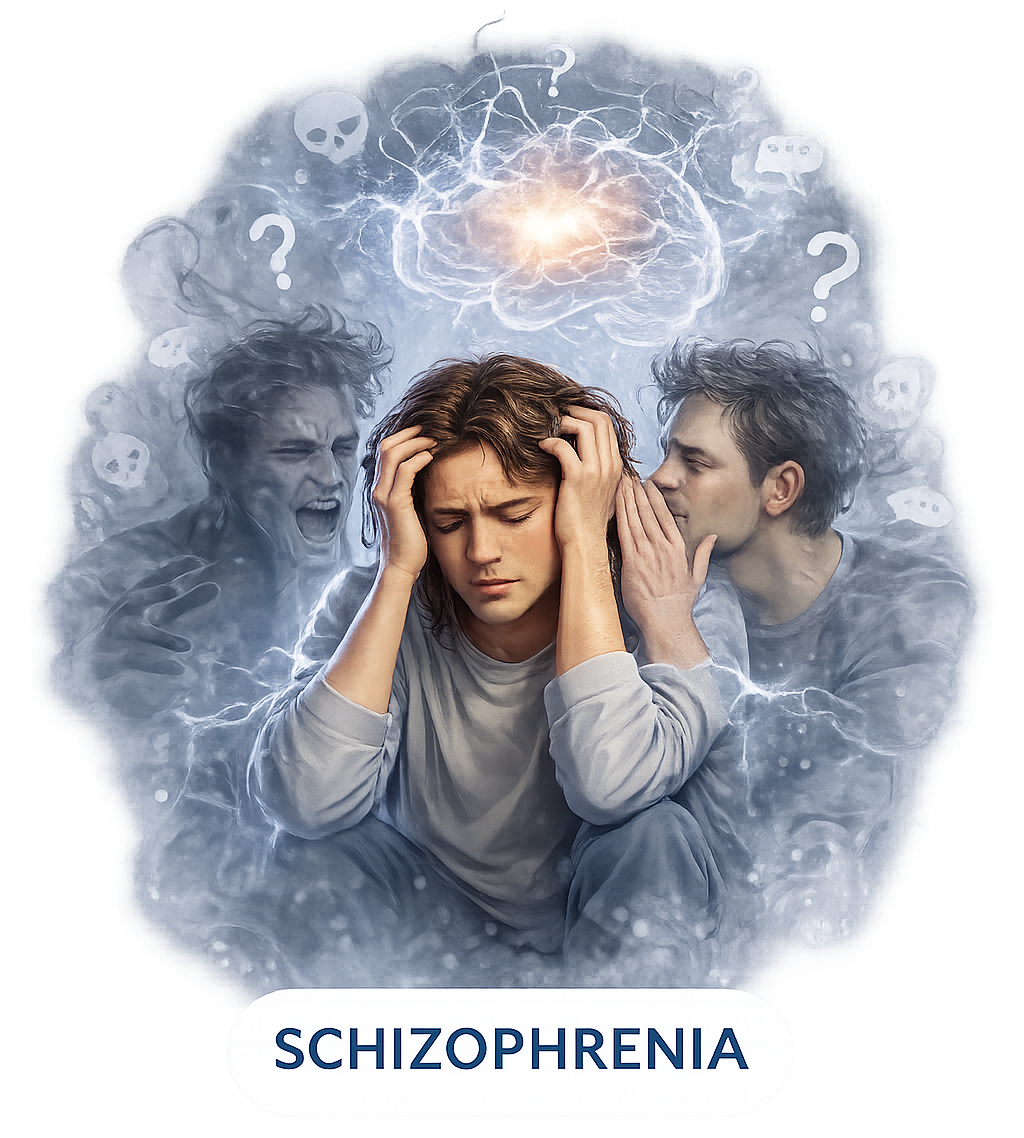
Schizophrenia
Schizophrenia is a serious psychiatric condition affecting perception, thought processes, and behavior. Individuals may experience hallucinations, delusions, or disorganized thinking. Early and sustained intervention greatly improves outcomes. Modern pharmacological treatments combined with psychosocial support promote functional recovery. Ongoing monitoring helps maintain long-term stability and independence.
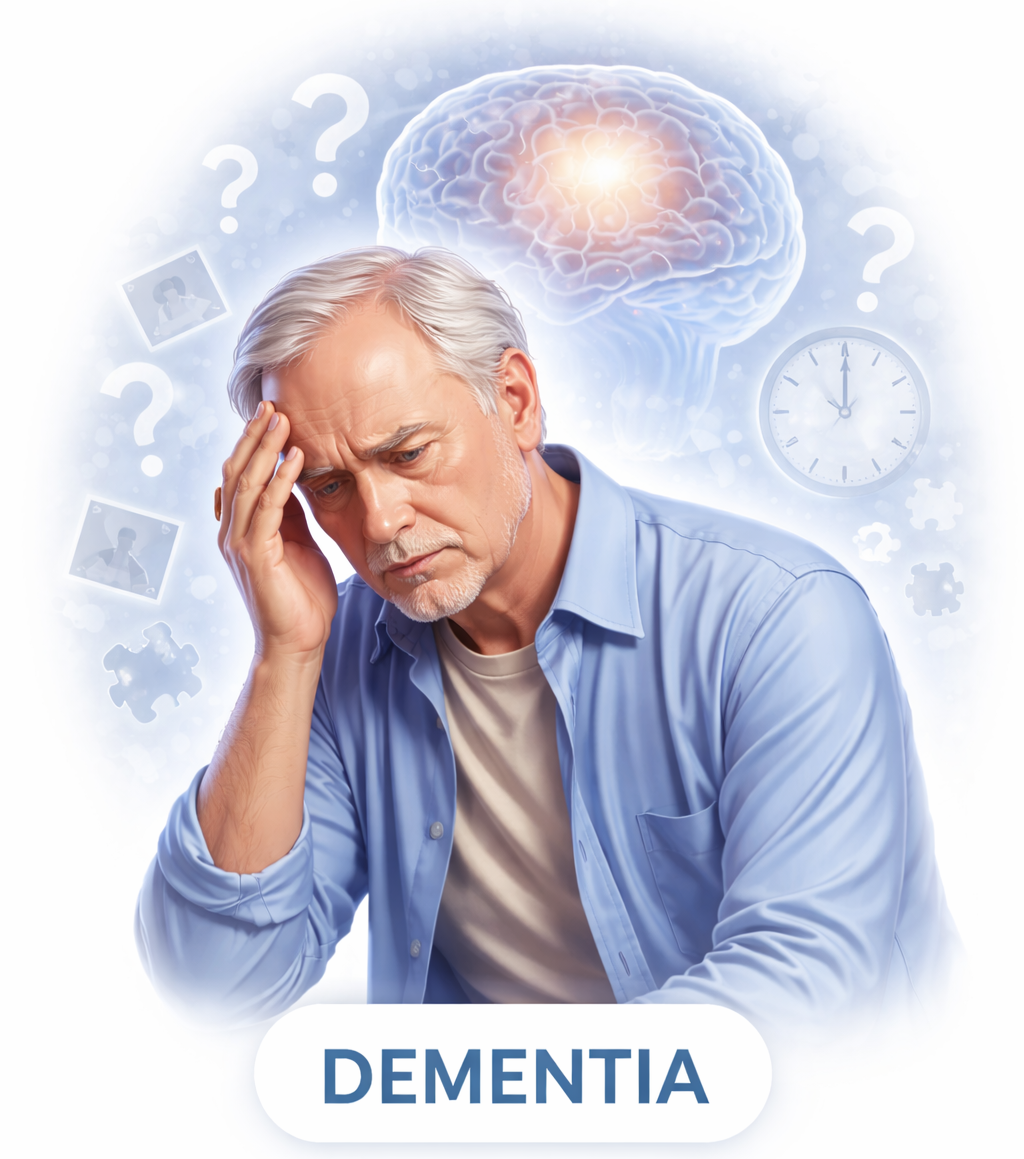
Dementia
Dementia involves progressive decline in memory, reasoning, and cognitive abilities. It can impact daily activities, communication, and decision-making capacity. Early evaluation allows timely diagnosis and supportive management. While certain forms are progressive, treatment can slow symptom advancement and enhance quality of life. Comprehensive care also supports family members and caregivers.
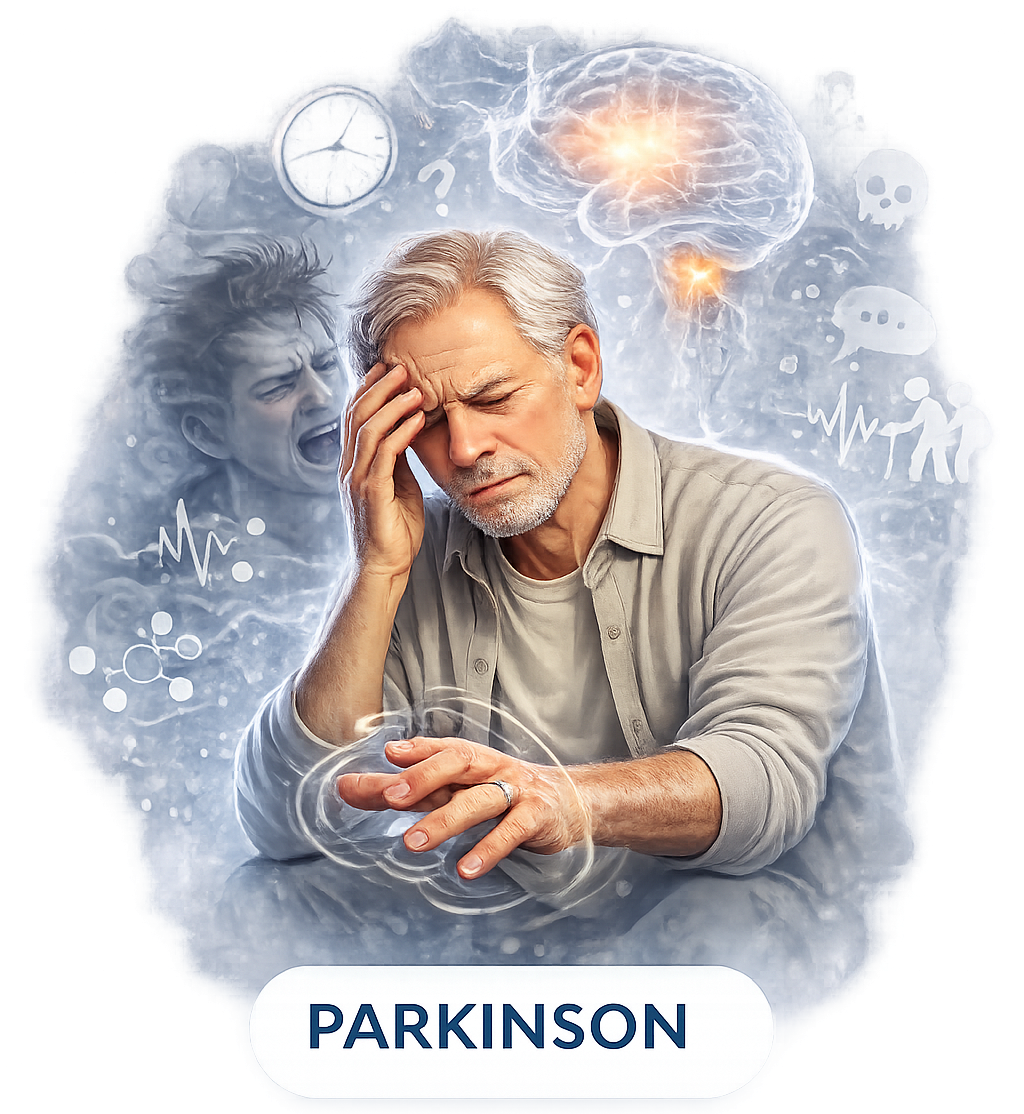
Parkinson
Parkinson’s disease is a neurodegenerative disorder primarily affecting movement and coordination. Symptoms may include tremors, rigidity, slowed movements, and balance impairment. Early diagnosis enables optimized symptom management. Advanced medical therapy and lifestyle guidance help preserve independence. Regular follow-up ensures sustained functional improvement.
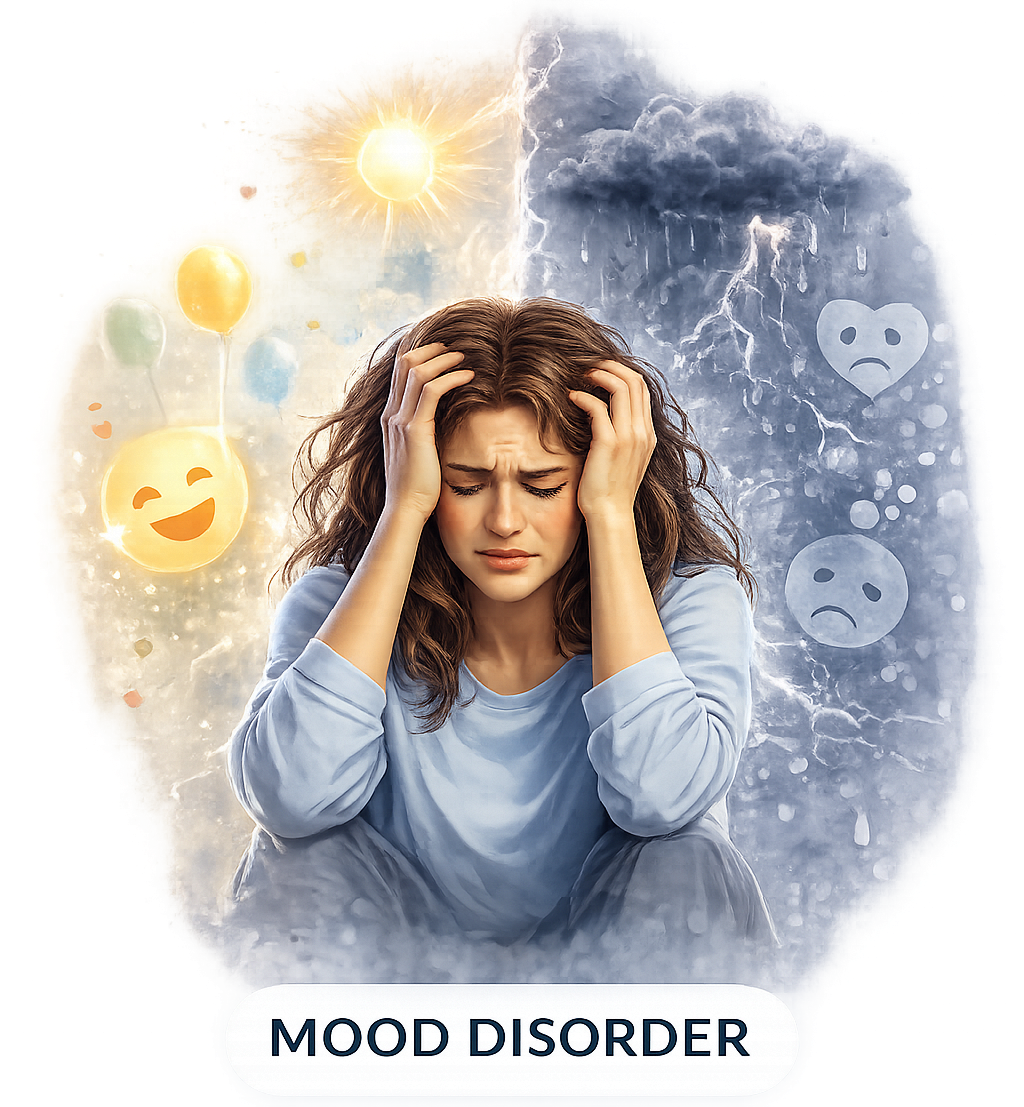
Mood Disorder
Mood disorders encompass conditions marked by persistent emotional disturbances, including depressive and manic episodes. These fluctuations may disrupt personal, social, and professional life. A precise psychiatric evaluation helps determine the specific diagnosis. Tailored treatment strategies restore emotional balance and stability. Consistent care supports long-term mental wellness.
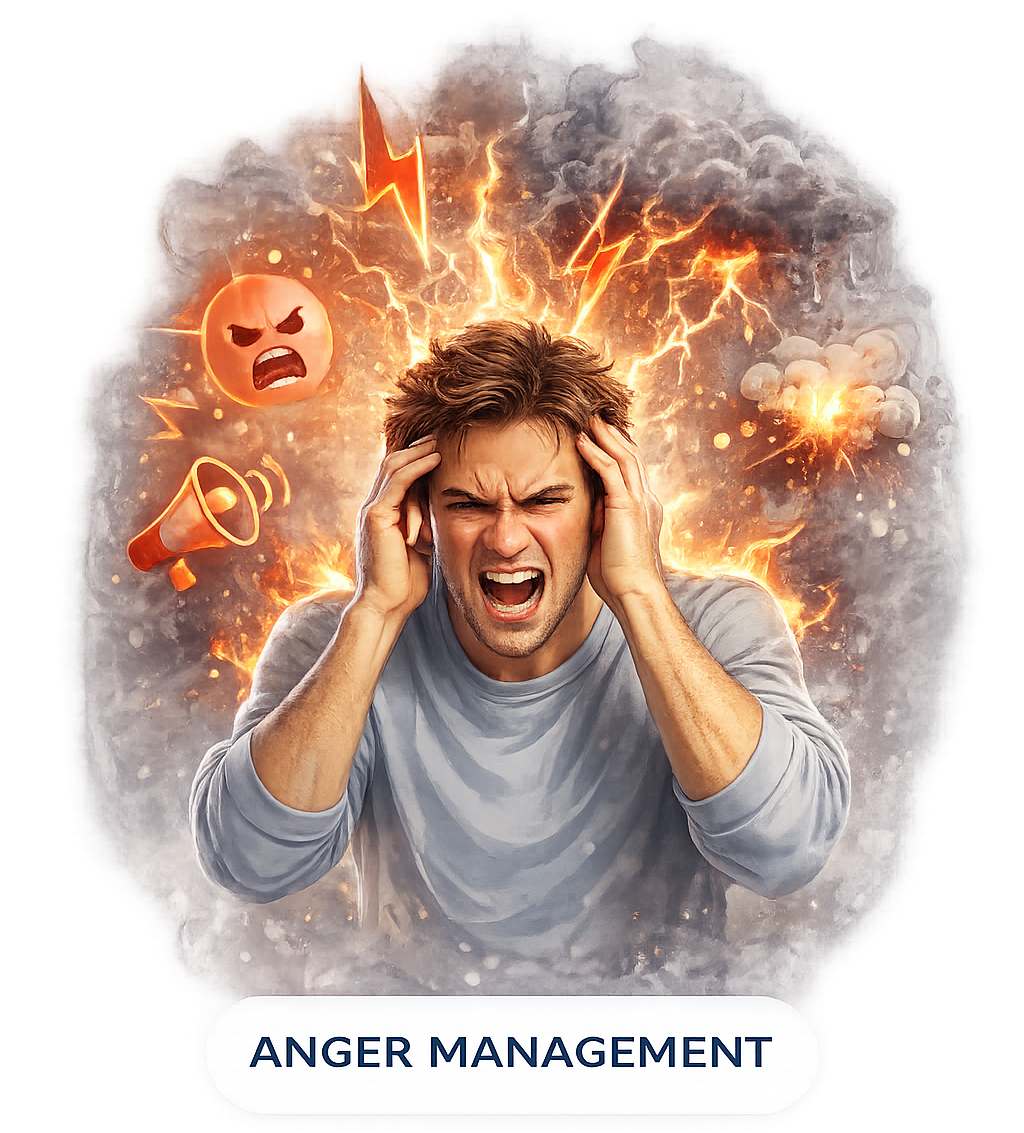
Anger Management
Persistent or uncontrolled anger can significantly affect relationships and professional life. It may stem from stress, personality patterns, or underlying psychological conditions. Identifying triggers and behavioral responses is central to treatment. Structured counseling and therapeutic strategies promote emotional regulation. Patients develop healthier coping mechanisms and improved interpersonal harmony.
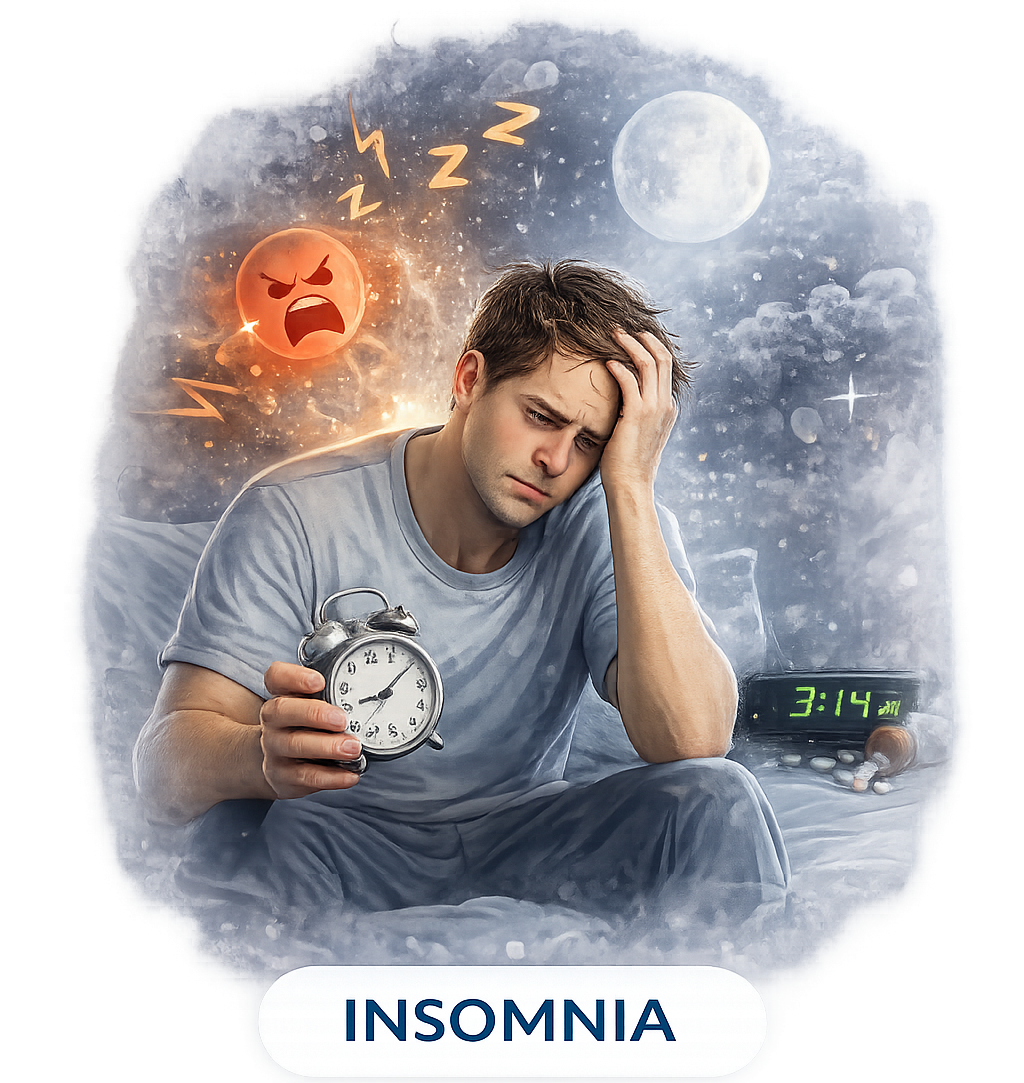
Insomnia
Insomnia is characterized by difficulty initiating or maintaining restful sleep. Chronic sleep disturbance impacts concentration, mood, and overall health. Evaluation focuses on identifying psychological or neurological contributors. Treatment integrates behavioral strategies and medical support where necessary. Restorative sleep enhances cognitive clarity and emotional well-being.
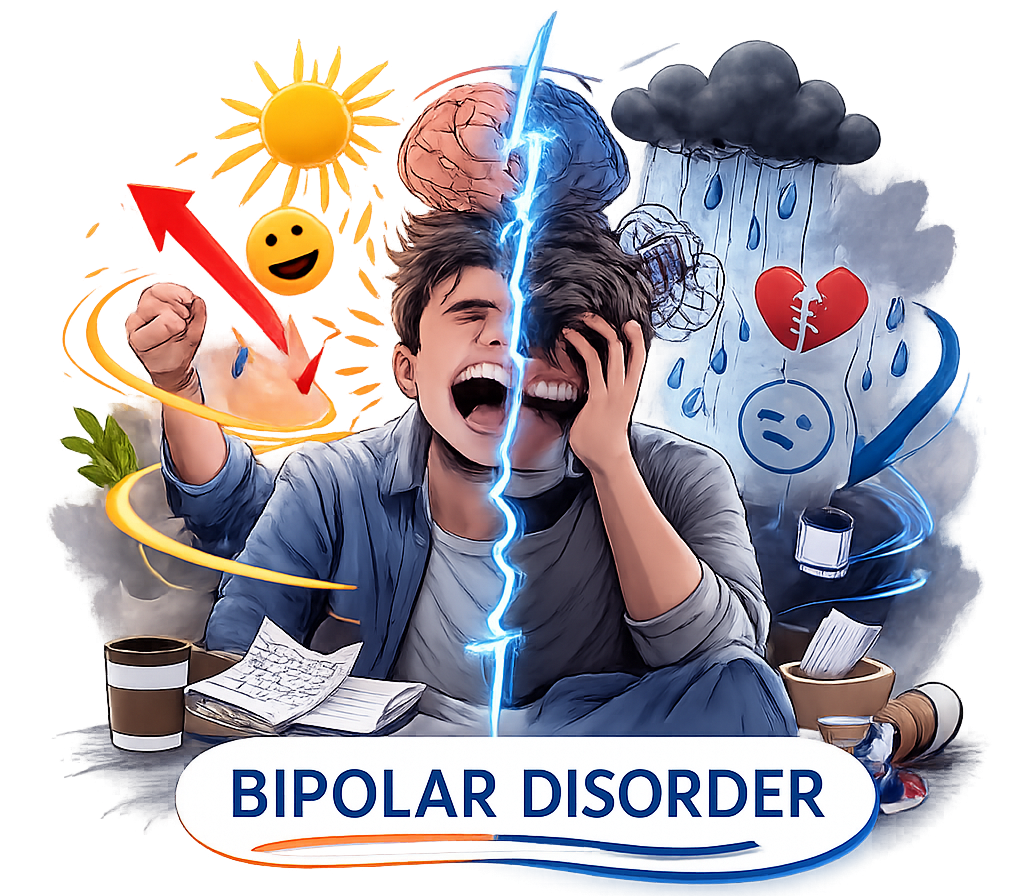
Bipolar Disorder
Bipolar disorder involves alternating episodes of elevated mood (mania or hypomania) and depression. These mood shifts can impair judgment, relationships, and productivity. Early diagnosis and structured treatment are essential for long-term stability. Mood stabilizers, psychotherapy, and regular follow-up form the cornerstone of care. With appropriate management, patients lead structured and fulfilling lives.
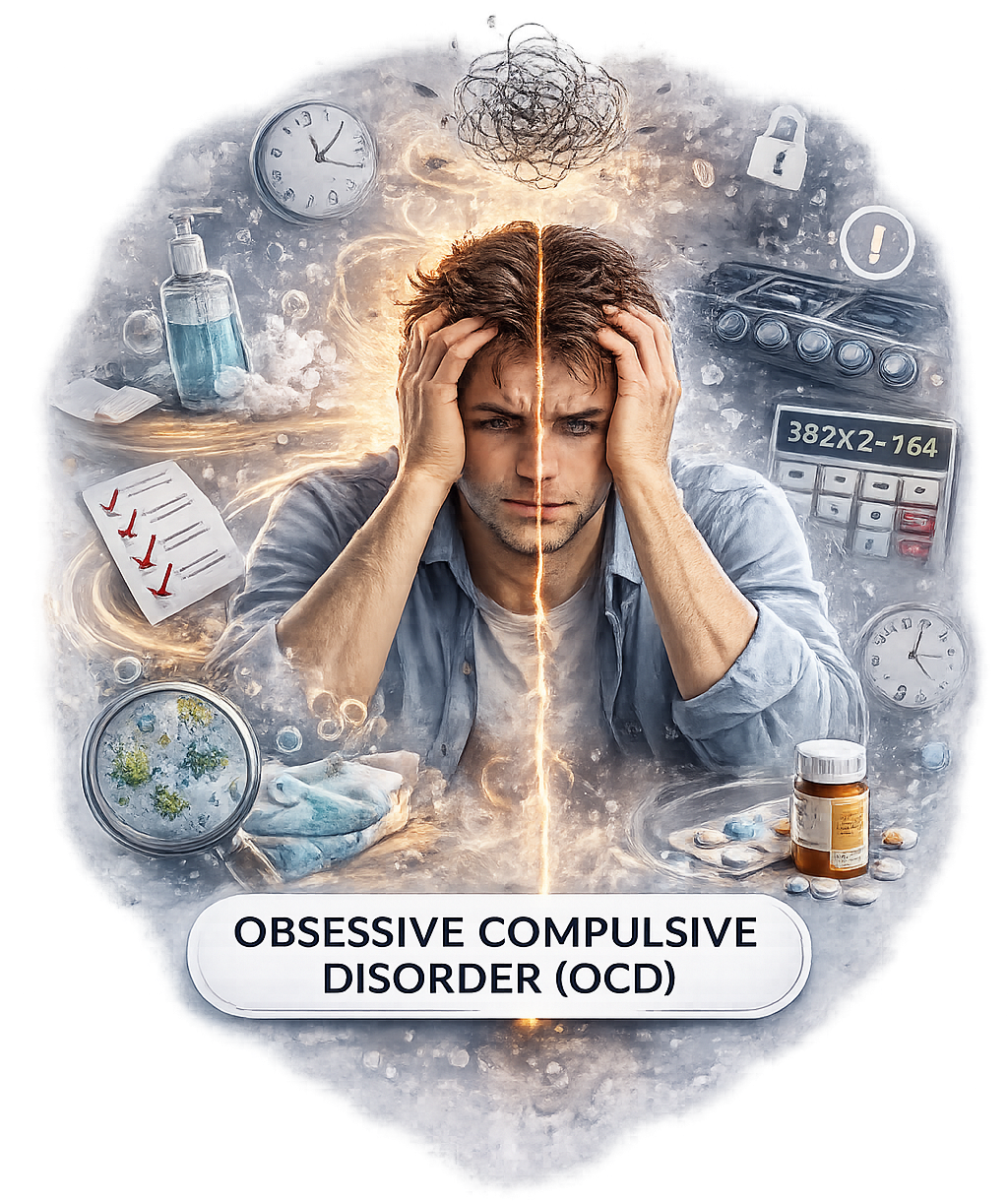
Obsessive Compulsive Disorder (OCD)
OCD is marked by intrusive thoughts and repetitive behaviors that the individual feels compelled to perform. These patterns can be distressing and time-consuming. Comprehensive evaluation helps assess severity and functional impact. Evidence-based therapy and medication provide substantial symptom relief. With consistent treatment, daily functioning improves significantly.
ADHD
ADHD affects attention span, impulse control, and executive functioning. It may persist from childhood into adulthood. Individuals often struggle with organization, focus, and task completion. Structured assessment allows accurate diagnosis and individualized management. With appropriate treatment and guidance, academic and professional performance can markedly improve.

Autism
Autism Spectrum Disorder is a neurodevelopmental condition affecting communication, social interaction, and behavioral flexibility. Each individual presents with unique strengths and challenges. Early and comprehensive evaluation supports timely intervention. Multidisciplinary therapies enhance social, cognitive, and adaptive skills. Ongoing support fosters independence and confidence.

Addiction
Addiction is a chronic condition involving dependence on substances or maladaptive behaviors. It impacts physical health, mental well-being, and social relationships. Professional evaluation identifies the extent and underlying factors. A structured rehabilitation approach combining medical care and psychotherapy promotes recovery. With guided support, sustained sobriety is achievable.

Sexual Problem
Sexual health concerns may include reduced desire, performance difficulties, or intimacy-related distress. These issues often have psychological, neurological, or medical contributors. A confidential and respectful consultation ensures accurate assessment. Personalized treatment enhances both emotional and relational well-being. Professional care restores confidence and quality of life.